Source Garment Hot Melt Adhesive Film for Clothing, Bags, and Leather
Source garment hot melt adhesive film from 30 verified listings. Compare polyester and polyurethane options with varying thicknesses, melt flow indices, and bonding methods for apparel and textile applications; compare the available evidence and request quotations based on your requirements.
Key considerations
Products List



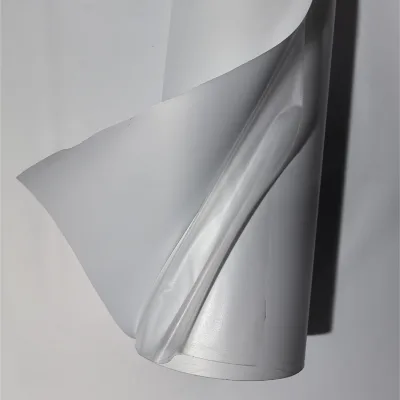




Comprehensive Sourcing Guide
Garment Hot Melt Adhesive Film Sourcing Guide
Buyers must first distinguish between the diverse product categories listed under this core keyword, as the data reveals a mix of thermoplastic resin-based hot melt adhesives and specialized thermal transfer papers. The observed listings include materials classified as inorganic or polyester-based, with specific applications ranging from woodworking and footwear to fiber and garment manufacturing. Understanding whether the procurement need targets a bonding agent for structural assembly or a transfer medium for surface decoration is the critical first step in defining the search parameters.
The observed product attributes indicate a wide variance in physical characteristics, including thicknesses ranging from 0.01mm to 1.0mm and specific melt flow indices between 15 and 20. Some entries describe a clear, inorganic material with high tensile strength, while others specify a PET thermal transfer paper with a super matt finish and cold release properties. Procurement teams must verify if the specific model, such as WT-216 or WT-574, aligns with the intended bonding method, whether it is thermal bonding for fabrics or heat transfer for printing applications, before proceeding to technical evaluation.
Product Scope and Observed Listing Signals
The market signals suggest that garment hot melt adhesive films are frequently utilized in applications involving clothing, bags, and leather goods, where thermal bonding is the primary attachment method. The data confirms that these products are often designed for high-temperature processing environments and may feature flame-retardant characteristics to meet safety requirements in textile manufacturing. Buyers should note that the observed applications extend beyond simple garment assembly to include footwear and fiber processing, indicating a versatile utility across the broader apparel supply chain.
Listing observations also highlight specific processing types, such as heat release coatings and resin transfer mechanisms, which are essential for achieving the desired surface effects like matte or flat finishes. The presence of digital printing and inkjet capabilities in some listings suggests that these films may serve dual purposes as both adhesive carriers and printable substrates for custom designs. Sourcing strategies must account for these functional overlaps, ensuring that the selected film supports both the mechanical bonding requirements and any aesthetic customization needs of the final product.
Technical Specifications to Verify
Verification of the melt flow index and viscosity is paramount, as the observed data indicates a range of 15-20 for flow and 60-100 for viscosity, which directly impacts application performance. Buyers must confirm that the specific batch meets these rheological properties to ensure consistent adhesion during high-speed manufacturing processes. The hardness rating of 70 and the requirement for good viscosity suggest that the material must balance flexibility with structural integrity to prevent delamination under stress or thermal cycling.
Thickness consistency is another critical specification, with observed standards ranging from ultra-thin 0.01mm layers to thicker 1.0mm variants, depending on the specific model and intended use. Procurement teams should demand precise thickness verification, particularly for applications requiring dimensional stability, as the data notes specific micron ranges like 36, 50, 75, and 100 microns. Additionally, the washable temperature range of 30 to 90 degrees Celsius must be validated to ensure the adhesive bond survives the laundering cycles expected in the garment's lifecycle.
Compliance and Safety Documentation
Safety documentation must explicitly address the flame-retardant characteristics observed in the product listings, as this is a key attribute for materials used in clothing and footwear. Buyers should request test reports confirming that the thermoplastic resin and tackifier composition meet relevant fire safety standards for the target market, ensuring the final product does not pose a combustion risk. The presence of ISO 9001 certification in the data provides a baseline for quality management, but specific safety certifications for textile adhesives should be verified against local regulations.
While background knowledge mentions OEKO-TEX and REACH, the supplied facts do not confirm these specific certifications for the listed items, so buyers must treat them as verification targets rather than assumed attributes. It is essential to obtain chemical composition declarations to ensure the inorganic materials and polyurethane components do not contain restricted substances. Procurement teams should require a full material safety data sheet (MSDS) that details the release properties and temperature thresholds to guarantee safe handling during the manufacturing process.
Cost Drivers and Commercial Terms
The commercial landscape for these films is influenced by the wide range of observed minimum order quantities, which span from 1 unit to 10,000 units, significantly impacting unit economics. Buyers with smaller volume needs may face higher per-unit costs, while those capable of meeting the 1000-piece MOQs observed in specific listings can negotiate more favorable pricing structures. The customization availability noted in the data also serves as a cost driver, as tailored thicknesses or release properties often incur additional setup fees compared to standard stock items.
Shipping and logistics represent another variable cost factor, with options available for sea or air transport depending on the urgency and volume of the order. The observed shelf life of one year requires careful inventory planning to prevent material degradation before use, which can affect the total cost of ownership if storage conditions are not optimal. Buyers should clarify whether the free samples policy applies to the specific technical grade required, as this can reduce the initial risk and cost associated with validating a new supplier's product line.
Supplier Qualification and Quality Control
Supplier qualification should prioritize manufacturers located in verified industrial hubs, such as Jiangyin, China, which is the origin noted for the majority of the observed product listings. Proximity to established manufacturing clusters often correlates with better supply chain stability and faster response times for technical support or sample requests. Buyers must verify that the supplier maintains the ISO 9001 certification mentioned in the data and can demonstrate consistent quality control processes for their specific models like WT-236 or WT-A27.
Quality control protocols must include rigorous testing of the bonding method and tensile strength, which are observed to be high and exceeding 30 units in some specifications. Procurement teams should implement incoming quality checks to verify the release type, ensuring that cold release or heat release properties match the production line requirements. Regular audits of the supplier's production capabilities are necessary to confirm that the dimensional stability and surface effects, such as the super matt finish, remain consistent across large production runs.
Long-Term Procurement Checks
Long-term procurement strategies must account for the potential variability in material composition, as the data lists both polyester and polyurethane materials under the same keyword. Buyers should establish a protocol for periodic re-verification of the adhesive's chemical composition and physical properties to ensure they have not drifted from the original specifications over time. This is particularly important for maintaining the washable temperature range and tensile strength required for high-performance garment applications.
Supply chain resilience should be built by diversifying sources for critical components like the thermoplastic resin and tackifier, which define the core performance of the hot melt film. Buyers must monitor the shelf life constraints closely, as the one-year limit requires a just-in-time inventory approach to prevent waste. Regular performance reviews against the observed characteristics, such as the heat shrinkage rate of less than 0.3%, will help identify any degradation in supplier quality before it impacts the final product.
FAQs
What materials are used for garment hot melt adhesive film?
Garment hot melt adhesive films are primarily composed of polyester and polyurethane. These materials are classified as inorganic materials with thermoplastic resin as the main agent. The composition includes a tackifier promoter to enhance bonding strength. This ensures durability and flexibility for various textile applications.
Can this adhesive film be customized for specific projects?
Yes, customization is available for these adhesive films. Buyers can request specific thicknesses ranging from 0.01mm to 1.0mm. The product origin is Jiangyin, China, allowing for tailored production. This flexibility supports diverse industrial needs across woodworking, footwear, and garment sectors.
What certifications does the adhesive film hold?
The adhesive film holds ISO 9001 certification, ensuring quality management standards. While OEKO-TEX and REACH are noted in background data, ISO 9001 is the confirmed high-confidence certification. This validates the manufacturing process and material consistency for international buyers seeking reliable supply chain partners.
How is the adhesive film applied to garments?
The adhesive film uses thermal bonding for application. It features a heat release coating process with a matt or super matt surface effect. The transfer type is heat transfer, suitable for clothing, bags, and leather. This method ensures strong adhesion without damaging delicate textile fibers during the bonding process.
What is the minimum order quantity for samples?
Samples policy indicates that free samples are available for evaluation. The standard MOQ for bulk orders is 1000 pieces. Shipping can be arranged by sea or air as customized. This low entry barrier allows buyers to test viscosity and bonding strength before committing to larger production runs.
What are the key characteristics of the adhesive film?
Key characteristics include good viscosity and flame-retardant properties. The melt flow index ranges from 15 to 20, with viscosity between 60 and 100. Hardness is rated at 70. These attributes ensure stable performance during high-temperature application and provide durable bonding for textile and leather goods.